
Introduction: Why App Monetization Matters
The mobile app industry is growing rapidly. Millions of apps are available on Google Play Store and Apple App Store. However, only a small percentage of apps generate sustainable income. The difference lies in choosing the right monetization model.
App monetization is not just about placing ads or charging a download fee. It is about creating a balance between user satisfaction and revenue generation. Poorly implemented monetization can drive users away, reduce retention, and harm your brand reputation.
The right app monetization strategies can:
- Increase revenue per user
- Improve user lifetime value
- Support long term scalability
- Attract investors
- Create predictable income streams
Let us explore the most effective strategies that successful apps use.
Understanding App Monetization Models
Before diving into specific techniques, it is important to understand the basic types of app revenue models:
- Paid apps
- Free apps with ads
- Freemium apps
- Subscription based apps
- In app purchase models
- Hybrid models
Each model serves different business goals and target audiences. At Infotech Wayout, we always recommend selecting a monetization strategy based on your audience behavior, market competition, and long term business vision.
1. In App Advertising


What Is In App Advertising?
In app advertising allows you to generate revenue by displaying ads inside your mobile application. You earn money when users view, click, or interact with these ads.
Common ad formats include:
- Banner ads
- Interstitial ads
- Native ads
- Rewarded video ads
Benefits
- Easy to implement
- Works well for free apps
- Suitable for high traffic apps
- Scalable revenue model
Challenges
- Can affect user experience
- Ad fatigue
- Requires high user volume for significant income
Best Practices
- Use native ads for better integration
- Avoid excessive ad placements
- Offer rewarded ads instead of forced ads
- Test ad frequency carefully
In app advertising remains one of the most popular app monetization strategies because it allows users to access content for free while generating revenue in the background.
2. Freemium Model


What Is the Freemium Model?
The freemium model allows users to access basic features for free while charging for advanced features, premium content, or additional tools.
This model is widely used by productivity apps, fitness apps, and SaaS based mobile platforms.
Benefits
- Attracts large user base
- Builds trust before payment
- Encourages upgrades through value demonstration
Challenges
- Conversion rate from free to paid can be low
- Requires strong value proposition
- Needs strategic feature limitation
Implementation Tips
- Clearly define premium benefits
- Provide limited trial access
- Use in app notifications to promote upgrades
- Offer time based discounts
The freemium model is one of the most effective app monetization strategies when combined with strong user engagement.
3. Subscription Based Model

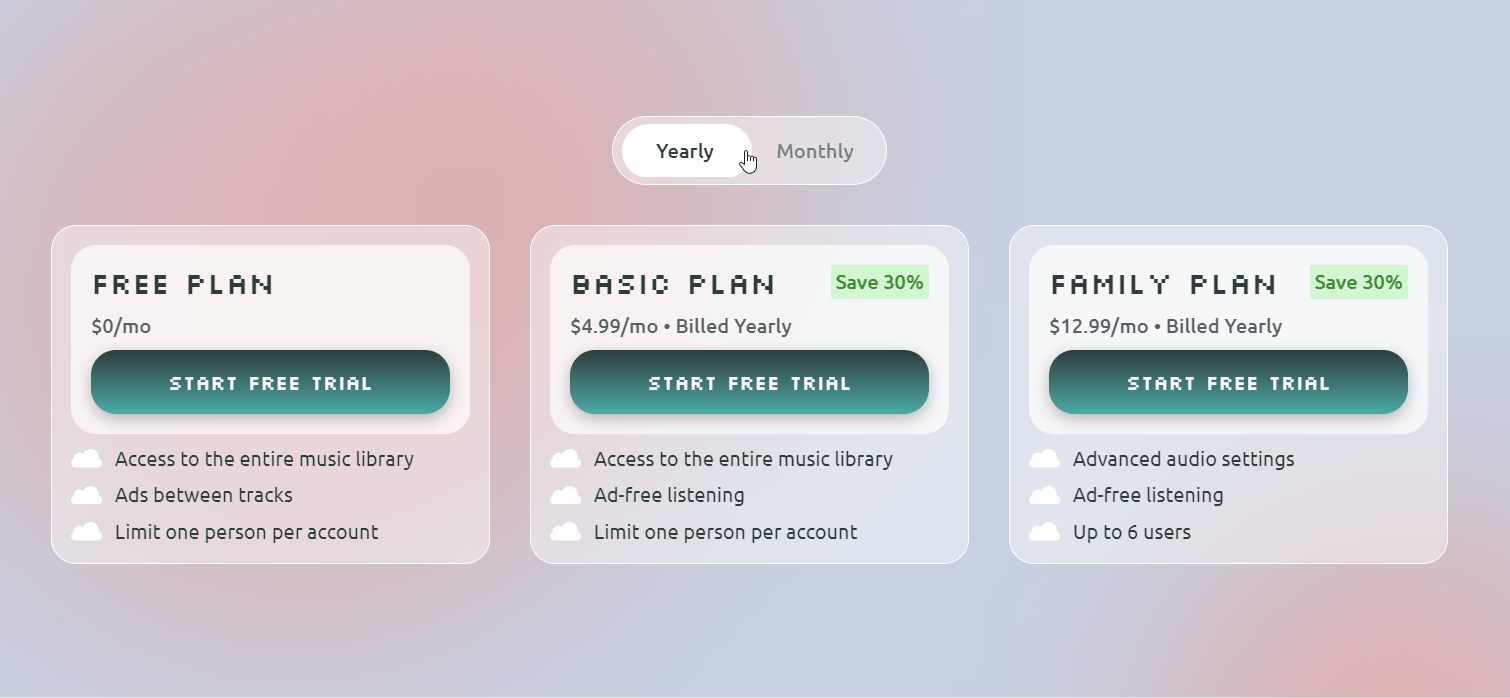

What Is Subscription Monetization?
In this model, users pay a recurring fee weekly, monthly, or yearly to access content or services.
Popular industries using subscription models:
- OTT streaming
- Online learning
- Meditation apps
- Fitness apps
- Business tools
Benefits
- Predictable revenue
- Higher customer lifetime value
- Strong user retention
Challenges
- Requires consistent value delivery
- Risk of subscription fatigue
- Churn management
Best Practices
- Offer multiple pricing tiers
- Provide free trial
- Deliver exclusive content regularly
- Use retention strategies
Subscription based monetization is considered one of the most sustainable app monetization strategies in today’s digital economy.
4. In App Purchases
What Are In App Purchases?
In app purchases allow users to buy digital products within the application. These can include:
- Virtual goods
- Game currency
- Extra lives
- Filters
- Premium content
- Unlockable features
This model is highly popular in gaming and entertainment apps.
Benefits
- High revenue potential
- Flexible pricing options
- Encourages engagement
Challenges
- Risk of over monetization
- Requires engaging content
- Platform commission fees
Tips for Success
- Offer value driven purchases
- Avoid pay to win mechanics
- Introduce limited time offers
- Analyze user behavior data
When implemented correctly, in app purchases can significantly enhance your mobile app monetization efforts.
5. Paid Apps Model
How It Works
Users pay a one time fee to download your app from the store.
Benefits
- Direct revenue
- No ads required
- Clean user experience
Challenges
- Hard to attract downloads
- Strong competition from free apps
- Requires strong brand credibility
This model works best for niche tools, professional apps, or apps with unique value propositions.
6. Affiliate Marketing and Partnerships
You can partner with brands and earn commissions by promoting their products within your app.
Examples include:
- Travel booking apps
- Shopping comparison apps
- Financial apps
Advantages
- Additional revenue stream
- No need to create own product
- Works well with content based apps
Risks
- Over promotion can reduce trust
- Dependency on external partners
Affiliate marketing is often used as a supplementary method alongside other app monetization strategies.
7. Sponsorship Model
In this model, brands sponsor your app or specific sections within it.
This is effective for:
- Fitness apps
- Event apps
- Community platforms
Sponsorship requires a strong and engaged audience.
8. Data Monetization
Some apps generate revenue by analyzing anonymized user data and providing insights to businesses.
Important considerations:
- Follow privacy regulations
- Maintain transparency
- Protect user trust
This model must be handled responsibly and ethically.
9. Hybrid Monetization Strategy
Many successful apps combine multiple monetization models, such as:
- Freemium plus ads
- Subscription plus in app purchases
- Ads plus affiliate marketing
Hybrid approaches reduce risk and diversify revenue streams.
At Infotech Wayout, we often recommend hybrid models as they maximize revenue opportunities while maintaining user satisfaction.
How to Choose the Right Monetization Strategy
Choosing the right strategy depends on:
- Target audience
- App category
- User behavior
- Competition
- Long term goals
- Budget
Conduct:
- Market research
- Competitor analysis
- User surveys
- Revenue forecasting
Testing different models during early stages can help identify the most profitable approach.
Common Mistakes to Avoid
- Overloading app with ads
- Hiding pricing information
- Ignoring user feedback
- Poor onboarding experience
- Lack of value in paid plans
A strong monetization strategy must always prioritize user experience.
Role of a Professional Development Company
Implementing monetization requires technical expertise and strategic planning. A professional team ensures:
- Secure payment integration
- Scalable backend architecture
- Data analytics integration
- Compliance with store policies
- Optimized user experience
At Infotech Wayout, we help businesses design and implement customized monetization frameworks aligned with their industry and audience.
Future Trends in App Monetization
- AI powered personalized pricing
- Micro subscriptions
- Blockchain based digital assets
- Interactive ad formats
- Community driven monetization
The future of Top App Monetization Strategies for Success lies in personalization and user centric innovation.
Frequently Asked Questions
1. What is the best app monetization strategy?
There is no universal best strategy. The right model depends on your target audience, industry, and app features. Subscription and freemium models are currently very popular.
2. How can I monetize a free app?
You can use ads, in app purchases, affiliate marketing, sponsorship, or a freemium upgrade model.
3. Is subscription better than ads?
Subscription offers predictable revenue but requires strong value delivery. Ads work better for high traffic apps with broad audiences.
4. How do I increase app revenue?
Improve user engagement, optimize pricing, test monetization models, and analyze user behavior data regularly.
5. What is the freemium model?
Freemium allows users to access basic features for free and pay for premium features.
6. How much commission do app stores take?
Both Google Play and Apple App Store typically take around 15 to 30 percent commission on in app purchases and subscriptions.
7. Can I combine multiple monetization models?
Yes. Many successful apps use hybrid monetization strategies to diversify revenue streams.
8. How long does it take to start earning from an app?
It depends on your marketing efforts, user acquisition strategy, and monetization model. Some apps generate revenue within months, while others take longer.
Conclusion
Monetizing a mobile app requires careful planning, experimentation, and continuous optimization. The right strategy can transform your app into a sustainable revenue generating platform.
The Top App Monetization Strategies for Success include in app advertising, freemium models, subscriptions, in app purchases, affiliate marketing, sponsorships, and hybrid approaches. Each has its own benefits and challenges.
At Infotech Wayout, we specialize in designing high performance mobile applications with scalable monetization systems. If you are planning to build or optimize your app, our team can guide you through every stage from idea to revenue generation.
If you want your mobile app to succeed in today’s competitive market, focus on delivering value first. Monetization will follow naturally.

