

Introduction
Choosing the right platform is one of the most important decisions when building a website. Whether you are launching a startup, creating an ecommerce store, building a portfolio, or developing a corporate website, the platform you choose directly affects performance, SEO ranking, scalability, security, and long-term costs.
Many business owners often ask: Which platform is best for a website?
The truth is that there is no single universal answer. The best platform depends on your business type, technical requirements, growth plans, and digital marketing strategy.
At Infotech Wayout, we have developed websites across multiple industries, and one common observation remains consistent. Businesses succeed online when they select a platform aligned with their long-term goals rather than short-term convenience.
This comprehensive guide explains every major website platform, compares advantages and limitations, and helps you confidently decide which platform is best for a website in 2026.
Understanding Website Platforms
A website platform is the technology or system used to create, manage, and publish website content online. These platforms control how your website looks, functions, and grows over time.
Broadly, website platforms fall into four main categories:
- Content Management Systems (CMS)
- Website Builders
- Ecommerce Platforms
- Custom Development Frameworks
Each serves different business needs.
Why Choosing the Right Platform Matters
Your website platform impacts:
- Website speed and performance
- SEO ranking capability
- Security level
- Customization flexibility
- Maintenance cost
- Future scalability
- Integration with marketing tools
Choosing incorrectly often leads to redesign costs within one or two years.
Businesses frequently rebuild websites because their original platform could not handle growth.
Types of Website Platforms Explained
1. Content Management Systems (CMS)


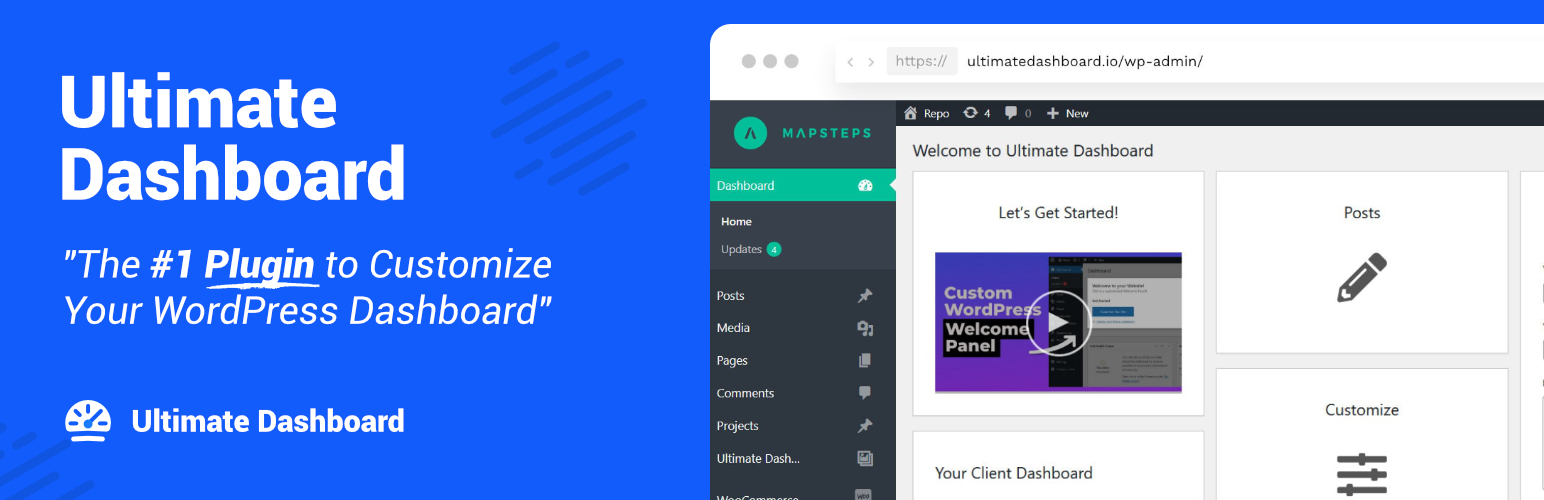
A Content Management System allows users to manage website content without deep coding knowledge.
Popular CMS Platforms
- WordPress
- Joomla
- Drupal
Advantages
- Highly customizable
- SEO-friendly structure
- Thousands of plugins
- Scalable for business growth
- Large developer community
Challenges
- Requires maintenance
- Plugin compatibility management
- Security updates needed
Among CMS options, WordPress dominates globally because of flexibility and SEO performance.
For many businesses asking which platform is best for a website, CMS solutions often become the top recommendation.
2. Website Builders



Website builders are beginner-friendly platforms designed for quick website creation.
Popular Website Builders
- Wix
- Squarespace
- Weebly
Advantages
- No coding required
- Fast setup
- Built-in hosting
- Easy design tools
Challenges
- Limited customization
- Restricted scalability
- SEO limitations
- Platform dependency
Website builders work best for:
- Personal websites
- Small portfolios
- Local startups with limited budgets
However, growing businesses often migrate later to more flexible platforms.
3. Ecommerce Website Platforms
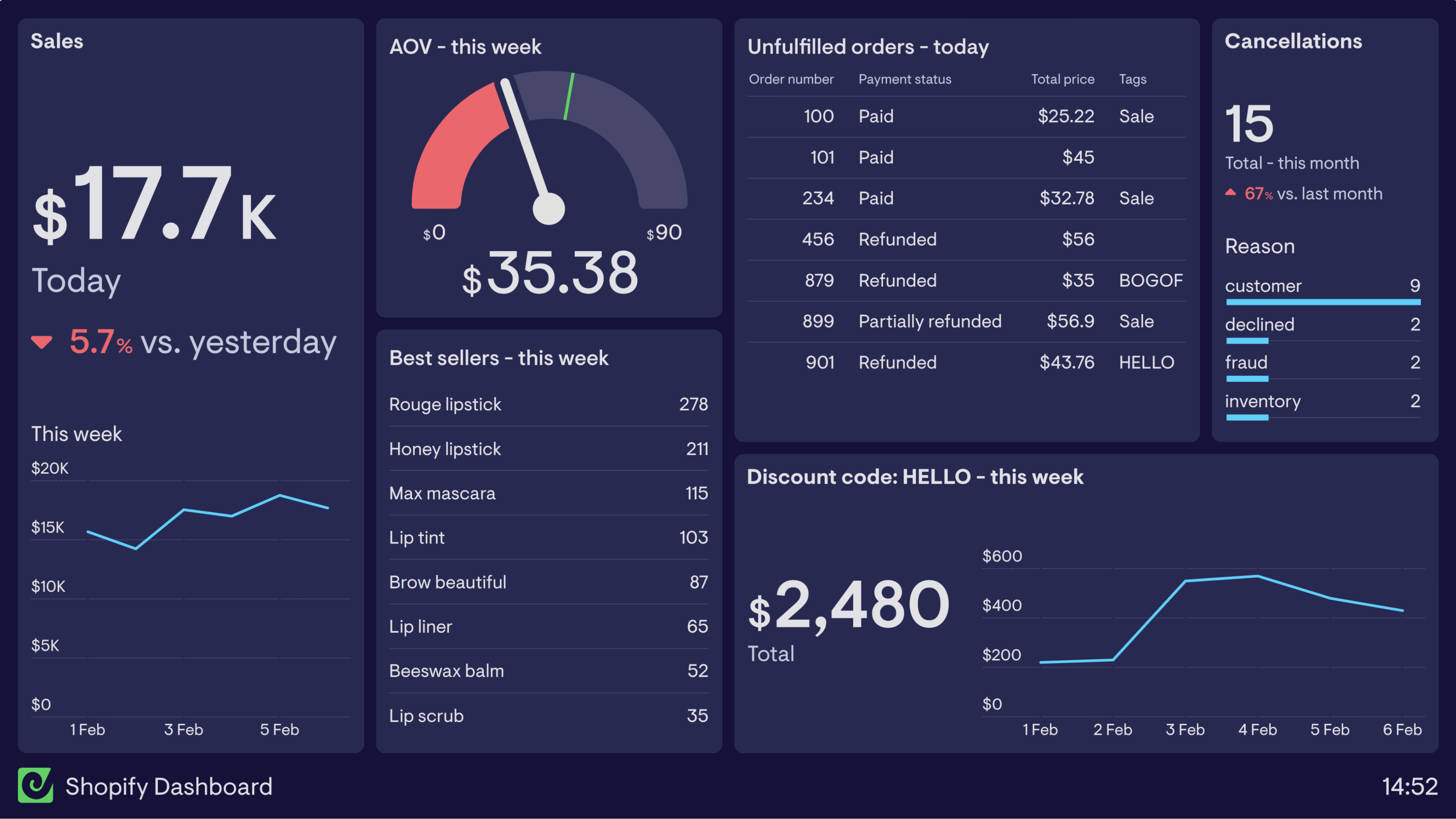
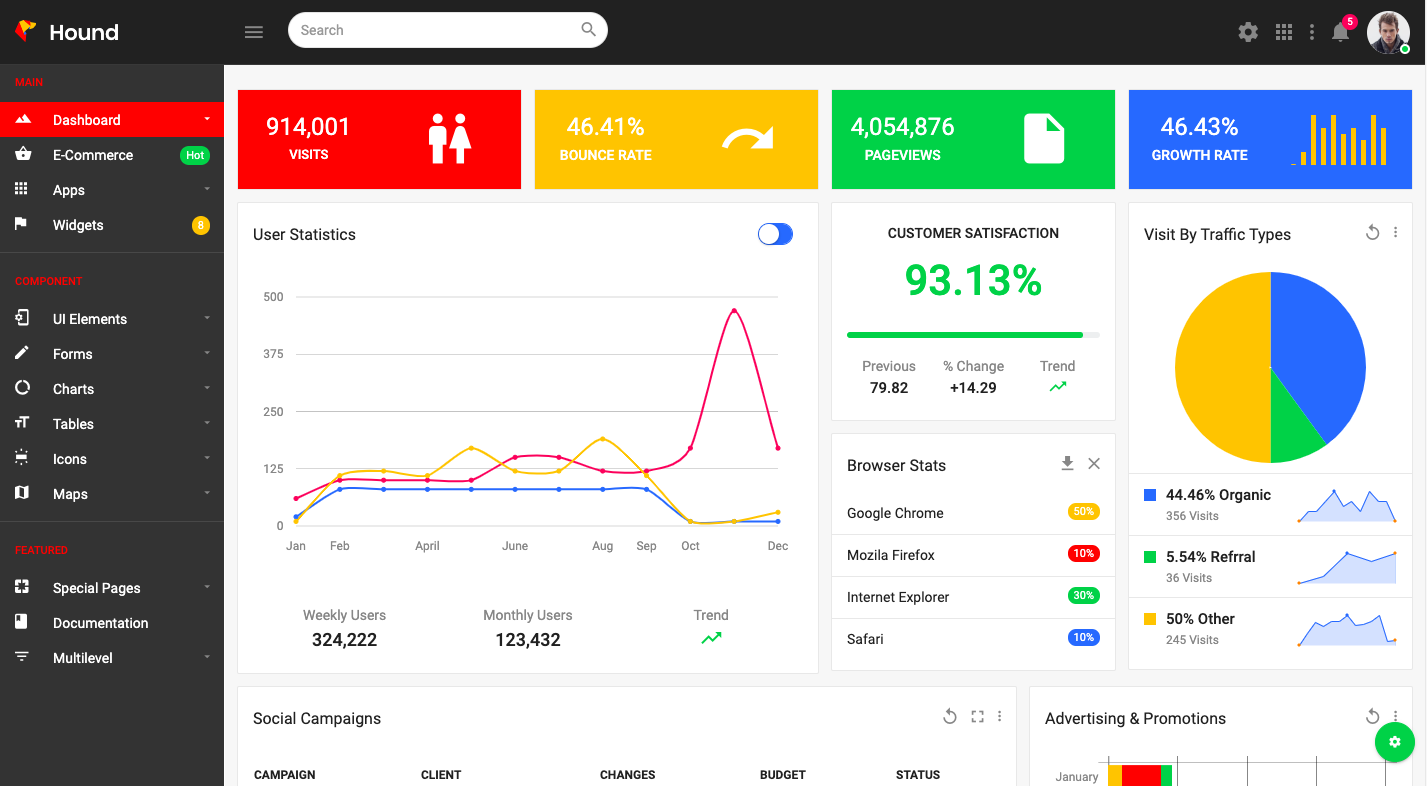
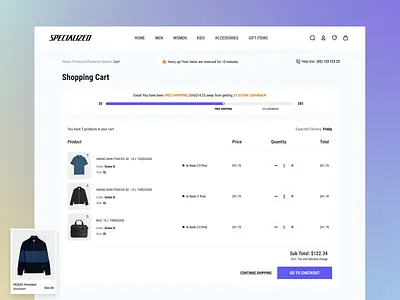
If your goal is online selling, ecommerce platforms are specifically designed for transactions and inventory management.
Leading Ecommerce Platforms
- Shopify
- WooCommerce
- Magento
Advantages
- Secure payment integration
- Inventory management
- Order tracking
- Marketing tools
- Customer analytics
Challenges
- Transaction fees
- Monthly subscription costs
- Customization limitations on hosted platforms
WooCommerce combined with WordPress offers strong flexibility, while Shopify provides simplicity.
Businesses frequently evaluating which platform is best for a website for ecommerce usually compare these two options.
4. Custom Website Development Platforms

Custom development involves building a website using programming frameworks such as:
- React
- Laravel
- Node.js
- Next.js
Advantages
- Unlimited customization
- High performance
- Advanced functionality
- Enterprise scalability
Challenges
- Higher development cost
- Longer development time
- Requires technical maintenance
Custom platforms are ideal for:
- Large enterprises
- SaaS platforms
- Startup products
- Marketplace websites
Comparison: Which Platform is Best for a Website?
| Feature | WordPress | Wix | Shopify | Custom Development |
|---|---|---|---|---|
| Ease of Use | Medium | Easy | Easy | Complex |
| SEO Capability | Excellent | Moderate | Good | Excellent |
| Customization | High | Limited | Medium | Unlimited |
| Scalability | High | Low | High | Very High |
| Cost Control | Flexible | Subscription | Subscription | High Initial |
| Best For | Business Sites | Beginners | Ecommerce | Enterprise |
Platform Selection Based on Business Type
Small Business Website
Best Choice: WordPress or Wix
Reason:
Affordable setup with future upgrade flexibility.
Ecommerce Website
Best Choice: Shopify or WooCommerce
Reason:
Built specifically for selling online.
Corporate Website
Best Choice: WordPress or Custom Development
Reason:
Professional scalability and SEO control.
Startup or Web Application
Best Choice: Custom Development
Reason:
Unique functionality requirements.
SEO Perspective: Platform Matters More Than You Think
Search engines prioritize:
- Page speed
- Mobile responsiveness
- Clean code structure
- Content management flexibility
Platforms like WordPress and custom-built websites allow advanced SEO optimization including:
- Meta customization
- Schema markup
- Performance optimization
- URL structure control
This is why SEO experts often recommend them when deciding which platform is best for a website.
Cost Comparison of Website Platforms
Website Builder
₹5,000 to ₹25,000 yearly
WordPress Website
₹15,000 to ₹80,000 depending on customization
Ecommerce Platform
₹25,000 to ₹2,00,000+
Custom Website
₹80,000 to ₹10,00,000+
Choosing cheaper platforms initially sometimes increases long-term expenses due to migration needs.
Scalability and Future Growth Considerations
A website should grow alongside your business.
Ask these questions:
- Will traffic increase?
- Will ecommerce be added later?
- Do you need integrations?
- Will SEO campaigns expand?
Platforms with scalability prevent rebuilding costs.
Security Considerations Across Platforms
Security depends on:
- Hosting quality
- Updates
- Plugins
- SSL implementation
Hosted platforms manage security automatically, while CMS and custom websites provide deeper control.
Professional maintenance ensures strong protection regardless of platform.
Common Mistakes Businesses Make When Choosing Platforms
- Choosing based only on price
- Ignoring SEO capability
- Not planning scalability
- Selecting overly complex systems
- Following trends instead of business needs
Understanding these mistakes helps determine realistically which platform is best for a website.
Expert Recommendation from Infotech Wayout
Based on industry experience:
- WordPress is best for most business websites.
- Shopify is excellent for ecommerce beginners.
- Custom development is ideal for scalable digital products.
- Website builders suit temporary or personal projects.
The best platform always aligns with business strategy.
Future Trends in Website Platforms
Upcoming trends include:
- AI-powered website builders
- Headless CMS architecture
- Progressive Web Apps
- No-code and low-code solutions
- Performance-first frameworks
Businesses investing today should consider adaptability for future technology changes.
Final Verdict: Which Platform is Best for a Website?
There is no universal winner.
However:
- Best Overall Platform: WordPress
- Best Ecommerce Platform: Shopify or WooCommerce
- Best Beginner Platform: Wix
- Best Enterprise Solution: Custom Development
The right answer depends on your goals, scalability needs, and marketing plans.
At Infotech Wayout, we help businesses choose platforms strategically rather than emotionally, ensuring long-term success and ROI.
Frequently Asked Questions (FAQ)
1. Which platform is best for a website for beginners?
Website builders like Wix are easiest for beginners because they require no coding knowledge and offer drag-and-drop functionality.
2. Is WordPress better than website builders?
Yes. WordPress provides greater customization, SEO control, and scalability compared to most website builders.
3. Which platform is best for ecommerce websites?
Shopify and WooCommerce are leading choices depending on customization and control requirements.
4. Is custom development better than CMS platforms?
Custom development is better for complex platforms but may not be necessary for standard business websites.
5. Which platform is best for SEO?
WordPress and custom-developed websites generally perform best for SEO optimization.
6. Can I change my website platform later?
Yes, but migration can be costly and may affect SEO rankings temporarily.
7. What platform do most companies use?
Many global businesses use WordPress due to flexibility and scalability.
8. How do I choose the right website platform?
Evaluate your budget, business goals, scalability needs, technical expertise, and marketing strategy before choosing.
Conclusion
Selecting the right platform is the foundation of online success. Instead of asking only which platform is best for a website, businesses should ask which platform is best for their growth journey.
A well-chosen platform improves SEO performance, enhances user experience, and reduces long-term development costs.
If you are planning to build or upgrade your website, Infotech Wayout can help you analyze requirements and select the ideal platform tailored to your business vision.

