

In today’s digital-first world, many entrepreneurs and small business owners still ask an important question: Can I run a business without a website?
The simple answer is yes, you can. However, the more important question is whether you should.
Many successful local businesses operated for years without websites. They relied on word-of-mouth referrals, local advertising, newspaper listings, and personal relationships. While these traditional methods still have value, customer behavior has changed dramatically. Today, people search online before making buying decisions. Whether they need a restaurant, electrician, consultant, retailer, or service provider, their first step is often a Google search.
This shift has made a website one of the most powerful business tools available. While it is technically possible to run a business without a website, doing so may limit your growth opportunities, customer reach, credibility, and long-term success.
In this comprehensive guide, the experts at Infotech Wayout explain the realities of running a business without a website, the advantages and disadvantages, alternative options, and why a professional website remains one of the smartest investments for modern businesses.
Understanding the Role of a Website in Modern Business
A website serves as your digital storefront. It acts as the central hub where customers can learn about your products, services, pricing, contact information, and brand story.
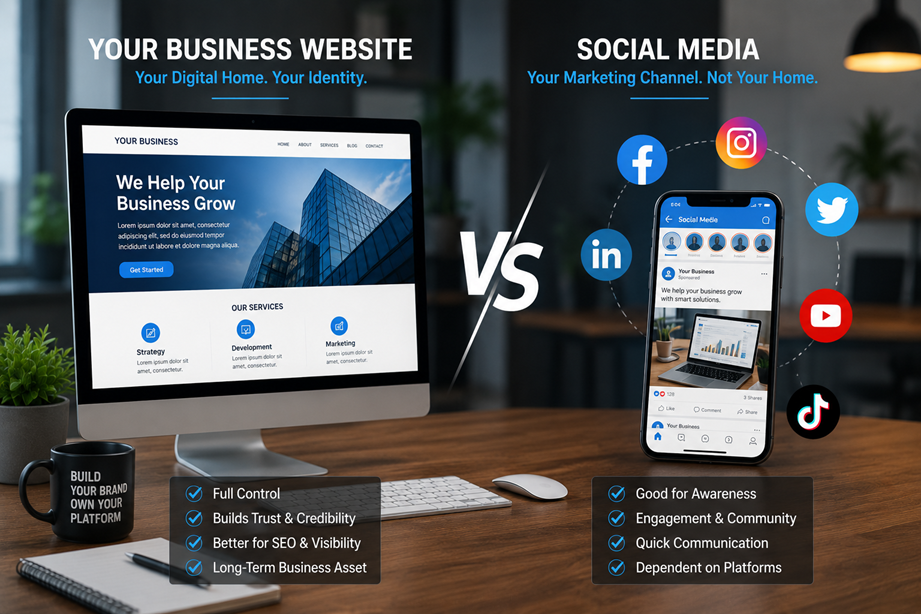
Unlike social media platforms, your website belongs entirely to your business. You control the content, design, functionality, and customer experience.
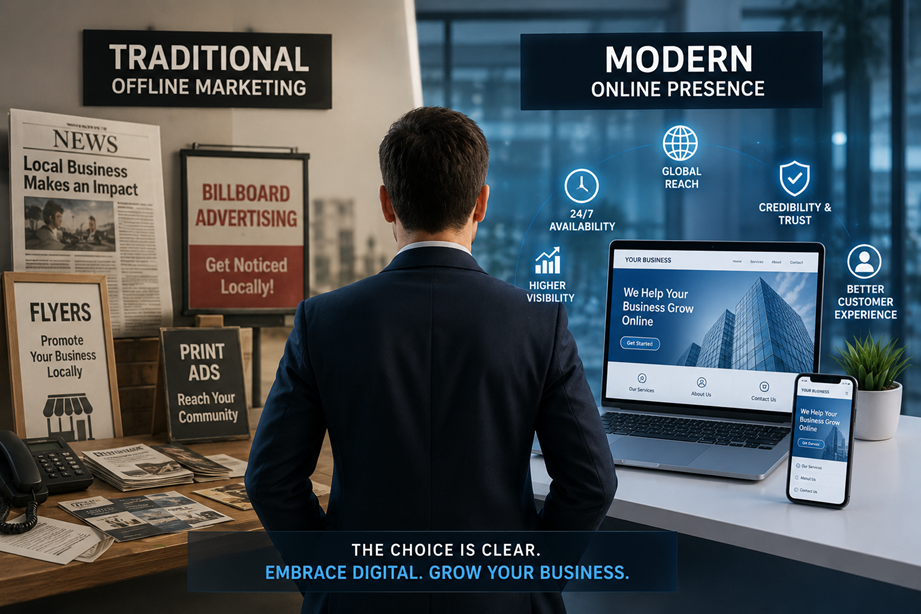
Today’s customers expect businesses to have an online presence. Even if most of your sales happen offline, customers often conduct online research before contacting or visiting a business.
A professional website helps customers:
- Find your business
- Learn about your services
- Verify your credibility
- Contact you easily
- Make purchases online
- Read reviews and testimonials
- Access important business information
Without a website, you may be missing a significant portion of potential customers who search online every day.
Can You Legally and Practically Run a Business Without a Website?
Yes, there is no legal requirement in most industries to own a website.
Many businesses still operate successfully without one, including:
- Local grocery stores
- Small repair shops
- Neighborhood restaurants
- Independent contractors
- Freelancers
- Home-based businesses
- Traditional retail stores
If your customer base comes entirely through referrals, repeat customers, or local foot traffic, you may continue operating without a website.
However, practical challenges arise when customers expect digital accessibility. Modern consumers often judge businesses based on their online presence. If they cannot find your website, they may choose a competitor instead.
The question is no longer whether you can operate without a website. The real question is whether doing so limits your growth potential.
Why Some Businesses Choose Not to Have a Website
There are several reasons business owners avoid building a website.
1. Cost Concerns
Many entrepreneurs assume website development is expensive. While large custom websites can require significant investment, modern website solutions are affordable for businesses of all sizes.
2. Dependence on Referrals
Some businesses receive enough work through referrals and repeat customers. They believe a website is unnecessary because they already have a steady customer base.
3. Limited Technical Knowledge
Business owners often worry about managing a website due to lack of technical expertise.
4. Reliance on Social Media
Many businesses use Facebook, Instagram, LinkedIn, or WhatsApp as their primary online presence and believe these platforms can replace a website.
5. Lack of Time
Entrepreneurs often prioritize daily operations and postpone website development.
While these reasons are understandable, they often overlook the long-term advantages that a website provides.
The Biggest Risks of Running a Business Without a Website
Reduced Credibility
Consumers trust businesses that have professional websites.
Imagine searching for two companies offering the same service.
One has a professional website with detailed information, testimonials, and contact options.
The other only has a social media page.
Most customers will trust the company with the website.
A website creates legitimacy and reassures potential customers that your business is established and professional.
Limited Visibility
Without a website, your business becomes harder to discover online.
Millions of searches occur on Google every day. Businesses without websites miss opportunities to appear in search results.
This reduces:
- Lead generation
- Brand awareness
- Customer inquiries
- Sales opportunities
Dependence on Third-Party Platforms
If your business relies entirely on social media platforms, you are dependent on systems you do not control.
Social media algorithms change regularly.
Accounts can be suspended.
Platform popularity can decline.
A website gives you a stable online asset that remains under your control.
Missed Sales Opportunities
Many customers prefer researching products and services before contacting a business.
Without a website, those customers may move on to competitors who provide the information they need.
What Happens When Customers Cannot Find Your Website?
When potential customers search online and find no website, several assumptions may occur:
- The business may not be legitimate
- The business may be outdated
- The company may have closed
- Customer support may be unreliable
- The business may not be professional
Even if these assumptions are incorrect, they influence purchasing decisions.
Customer trust is one of the most valuable assets a business can build, and a website helps establish that trust.
Can Social Media Replace a Website?
This is one of the most common questions asked by business owners.
The answer is no.
Social media is a powerful marketing tool, but it should complement a website rather than replace it.
Advantages of Social Media
- Free to start
- Easy communication
- Quick audience engagement
- Brand awareness
- Community building
Limitations of Social Media
- Limited customization
- Algorithm dependency
- Reduced search engine visibility
- Platform restrictions
- Lack of complete ownership
A website acts as your business headquarters, while social media serves as marketing channels that drive traffic to your website.
The strongest digital strategy combines both.
Industries That Need a Website the Most
While every business benefits from having a website, certain industries rely heavily on online visibility.
Professional Services
- Lawyers
- Accountants
- Consultants
- Financial advisors
Healthcare Providers
- Clinics
- Dentists
- Therapists
- Medical specialists
Home Services
- Electricians
- Plumbers
- Contractors
- Painters
E-Commerce Businesses
Online retailers require websites to process sales and showcase products.
Hospitality Businesses
- Hotels
- Guest houses
- Restaurants
- Travel agencies
Educational Institutions
- Training centers
- Coaching institutes
- Online courses
For these industries, a website often becomes a primary source of customer acquisition.
The Benefits of Having a Website for Business Growth
A website offers advantages that go far beyond online visibility.
1. 24/7 Availability
Unlike physical stores, a website remains accessible around the clock.
Customers can:
- Browse services
- Submit inquiries
- Make purchases
- Learn about your business
Even while you sleep, your website continues working.
2. Improved Customer Experience
Customers appreciate easy access to information.
A website allows visitors to quickly find:
- Contact details
- Service descriptions
- Pricing information
- Business hours
- Frequently asked questions
3. Better Marketing Results
Digital marketing campaigns become far more effective when linked to a professional website.
This includes:
- SEO
- Google Ads
- Email marketing
- Content marketing
- Social media campaigns
4. Higher Search Engine Visibility
Google primarily indexes websites.
Without a website, your chances of appearing in search results are significantly reduced.

How a Website Helps Small Businesses Compete With Larger Companies
One of the greatest advantages of a website is that it levels the playing field.
A well-designed website allows small businesses to appear professional and competitive alongside larger brands.
Through:
- SEO
- High-quality content
- Strong user experience
- Effective branding
Small businesses can attract customers that might otherwise choose larger competitors.
A website gives smaller companies an opportunity to showcase expertise, build trust, and establish authority within their industry.

